From Tears to Triumphs: Supporting Social-Emotional Development in Preschoolers
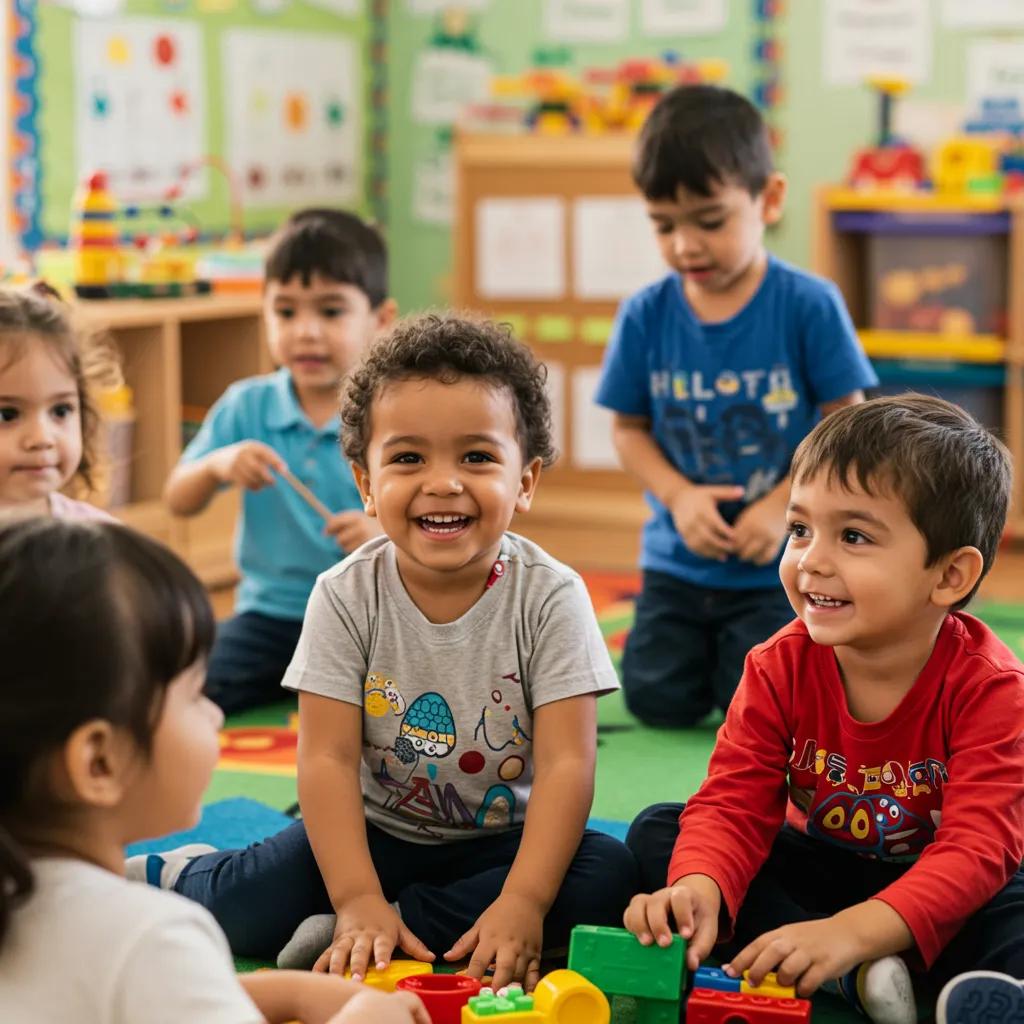
Social-emotional development in preschoolers is the process through which young children learn to identify feelings, manage impulses, build relationships, and solve social problems. Early support strengthens their lifelong capacity for empathy and self-regulation. This article explains why early attention to emotional learning matters, how caregivers and educators can scaffold regulation, and what practical routines and tools promote resilience and healthy classroom climates. Many adults find managing intense preschool emotions overwhelming because behaviors reflect developmental limits in language and self-control rather than willful misbehavior, and clear strategies reduce stress for children and adults alike. Readers will gain an age-by-age milestone map, evidence-based regulation techniques, resilience-building activities, and guidance on screening and interventions to protect long-term emotional well-being. The guide also examines how social-emotional learning (SEL) integrates into daily routines, how technology can be used responsibly to track progress, and how parent-teacher systems can align for consistent support. Practical lists, three EAV tables for quick reference, and implementation-focused next steps are included so caregivers, teachers, and program leaders can move from tears to small, measurable triumphs.Early childhood learning and development, where children begin learning self-regulation, empathy, and relationship skills that shape lifelong well-being.
What Are the Key Emotional Milestones in Preschoolers?
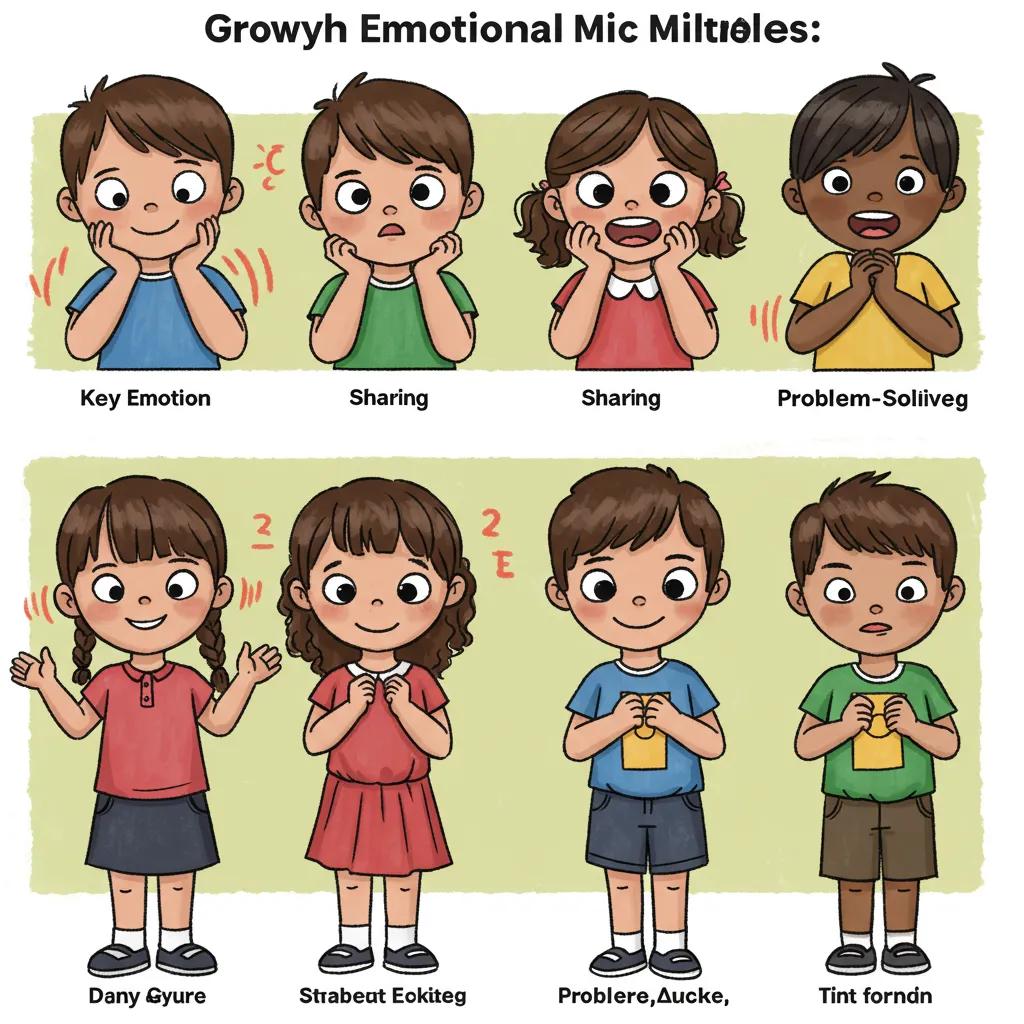
Emotional milestones in preschoolers mark growing self-awareness, expanding emotion vocabulary, and emerging self-management skills that arise as brain circuits for regulation and language develop; these changes enable children to name feelings, wait briefly for desired objects, and begin cooperative play. The mechanism is linguistic and neural maturation: as vocabulary grows, children shift from dysregulated behavior to expression and problem solving, and adults can accelerate that shift through labeling and scaffolded practice. Identifying normative milestones helps caregivers differentiate typical frustrations from persistent delays that warrant screening. The table below provides a quick-reference comparison to guide observation and early conversations with educators or clinicians.
Understanding how emotional skills develop is closely connected to brain growth. Learn more in our guide on Early Brain Development and Learning in Children .
MilestoneTypical Age RangeObservable BehaviorsEmotion labeling and simple coping2–3 yearsUses basic words like “sad” or “mad,” seeks adult comfort, brief self-soothingEmerging sharing and turn-taking3–4 yearsEngages in parallel play shifting to cooperative play, begins to follow simple rulesVerbal problem-solving and empathy4–5 yearsExpresses feelings in sentences, offers comfort to peers, tolerates short delaysBasic self-regulation in routines5 yearsFollows multi-step instructions, manages frustration with adult prompts. Toddler development milestones helps caregivers understand whether emotional responses and social behaviors align with age-appropriate expectations.
This comparison clarifies age-appropriate expectations and highlights when monitoring or screening is advised for persistent gaps.
How Do Preschoolers Express and Experience Emotions?
Preschoolers express emotions through a mix of verbal labels, facial expressions, tone, and physical actions, and the balance shifts as language skills develop so toddlers rely more on behavior while older preschoolers increasingly use words. The mechanism linking expression to experience is that developing vocabulary enables internal labeling, which reduces physiological arousal and supports calmer responses, so teaching words directly assists regulation. Caregivers can observe signals like clenched fists, sudden withdrawal, or changes in play that indicate internal states and respond with naming and co-regulation to reduce intensity. Watching for clusters of cues—sleep changes, feeding, or persistent avoidance—helps distinguish situational upset from a pattern that may need screening. These observational practices naturally lead into age-appropriate expectations for typical behaviors.
What Are Age-Appropriate Emotional Behaviors in Early Childhood?
Age-appropriate emotional behaviors reflect growing capacities: younger preschoolers show short tantrums and need adult help to calm, while older preschoolers begin negotiating and apologizing as language and perspective-taking improve. The reason is that cognitive and regulatory systems mature unevenly, so behaviors must be interpreted within context—hunger, routine disruption, or overstimulation commonly explain outbursts. Examples include a three-year-old pushing during frustration versus a five-year-old using words to request a turn; temperament moderates these patterns so some children always require more scaffolding. Regular routines, predictable transitions, and explicit teaching of emotion words support normative progress and reduce escalations. Understanding typical behaviors informs decisions about whether to monitor or seek additional support.
How Does Attachment Influence Emotional Development?
Attachment forms the relational foundation for emotional regulation by linking secure caregiver responsiveness to child expectations that help-seeking will be honored, which in turn fosters co-regulation and later independent self-management. Mechanistically, consistent sensitive responses calm stress physiology and help children internalize strategies for soothing, so attachment security predicts better classroom adjustment and peer relations. Caregivers can promote secure attachment through prompt comfort, consistent routines, and verbal labeling of feelings during moments of distress. These behaviors create a reliable context where children practice regulation and test strategies in safe relationships. Promoting secure attachment in early years reduces later behavioral disruptions and supports resilient trajectories.
When Should Parents and Educators Be Concerned About Emotional Delays?
Concern is warranted when a child shows persistent difficulty across settings in naming emotions, extreme reactivity that does not decline with co-regulation, or social withdrawal that limits participation, because these patterns can indicate delays in regulation or underlying mental health needs. The mechanism for concern is that prolonged dysregulation increases stress on learning and peer relationships, reducing opportunities for restorative practice and widening gaps over time. Immediate next steps include documenting behaviors across routines, sharing observations with pediatricians or early childhood mental health consultants, and initiating brief screening tools where available. Early screening and referral preserve developmental windows for effective intervention and often reduce later service needs. Keeping careful records of frequency, triggers, and responses supports timely assessments and referrals.
How Can Caregivers Help Preschoolers Manage Big Feelings Effectively?
Caregivers help preschoolers manage big feelings by combining emotion labeling, predictable routines, co-regulation, and scaffolded problem-solving so children learn words and strategies that reduce physiological arousal and increase choice. This works because naming an emotion and modeling calm responses recruit prefrontal control while lowering the amygdala-driven surge, creating conditions for practice and internalization. Practical classroom and home routines that embed short practice moments and calm-down rituals accelerate skill development and make regulation predictable. The following list summarizes top evidence-based strategies caregivers can apply immediately, and each item is followed by an example that teachers and parents can adapt.
Emotion labeling: Name the feeling and why it might be occurring to reduce intensity and build vocabulary.Example: Teacher: “You look frustrated; let’s name it and take deep breaths.”
Co-regulation: Offer calm presence and breathing cues to help the child down-regulate physiological arousal.Example: Caregiver sits with child, models breathing, and guides a strategy.
Predictable routines: Use visual schedules and consistent transitions to lower anxiety and set expectations.Example: Visual schedule for transitions with countdowns.
Problem-solving coaching: Guide children through choices and small steps rather than solving problems for them.Example: Coach: “What are two things you can do when you feel mad?”
Calm-down tools: Provide sensory supports and quiet spaces to practice self-management skills.Example: Designated calm-down corners with sensory tools.
Positive parenting strategies that support emotional regulation and confidence in preschoolers.
These strategies work together to shift children from reactive to reflective responses and prepare them for more independent regulation.
What Are Proven Emotional Regulation Strategies for Preschoolers?
Emotion labeling, simple breathing, behavioral scaffolds, and play-based problem-solving constitute core, evidence-informed approaches that reduce escalation and teach alternatives to aggression or withdrawal. The mechanism is repeated, supported practice that pairs language with a down-regulation routine so neural pathways for calm responses strengthen over time. A practical how-to: when a child is upset, kneel to their level, label the feeling, offer a brief breathing activity, and narrate one small coping step they can try next. Consistent adult modeling of controlled responses and praise for attempts reinforces skill use and generalization. These strategies translate into measurable classroom improvements like fewer interruptions and smoother transitions.
Evidence-Based Psychotherapy for Preschoolers: Social-Emotional Skills
Social skills groups teach children emotion regulation techniques such as taking a deep breath, counting to ten, and using "I" statements to express feelings. These techniques help children manage their emotions and respond to challenging situations in a more constructive way.
Evidence-Based Psychotherapy Practices for Preschool Children: A Brief Review for Clinicians., MA Zhukova, 2022
How Does Co-Regulation Support Emotional Management?
Co-regulation supports emotional management by providing an external regulatory scaffold—an attuned adult who reduces arousal through calm voice, proximity, and predictable gestures—which in turn helps children internalize regulation strategies. Mechanistically, co-regulation lowers physiological stress markers and creates micro-opportunities for children to practice calmer responses while still supported, enabling successive approximations toward independence. Practical caregiver scripts include: “I can see you’re angry. Let’s take three slow breaths together,” paired with a gentle hand on the shoulder if accepted. Role-play and practice sessions make co-regulation routine rather than reactive, improving children’s capacity to use strategies during real stress. Implementing co-regulation regularly sets the stage for gradual self-regulation.
Co-Regulation's Role in Developing Preschoolers' Emotion Regulation Skills
The proposed internalization model of reflective emotion regulation argues that caregivers’ co-regulation of emotionally challenging events plays a constitutive role for the development of 4- to 6-year-olds’ reflective emotion regulation. The model specifies the gradual shift from co- to self-regulation by focusing on two important ways how caregivers structure emotionally challenging interactions: Through emotion talk, caregivers promote the development of preschoolers’ emotional awareness. Once established, they support children in establishing a repertoire of effective emotion regulation strategies and they guide preschoolers’ emerging skills to generate, evaluate, and select from alternative appraisals or behavioral responses.
The role of co-regulation for the development of social-emotional competence, EM Schiller, 2016
What Are Practical Calm-Down Techniques for Toddlers and Preschoolers?
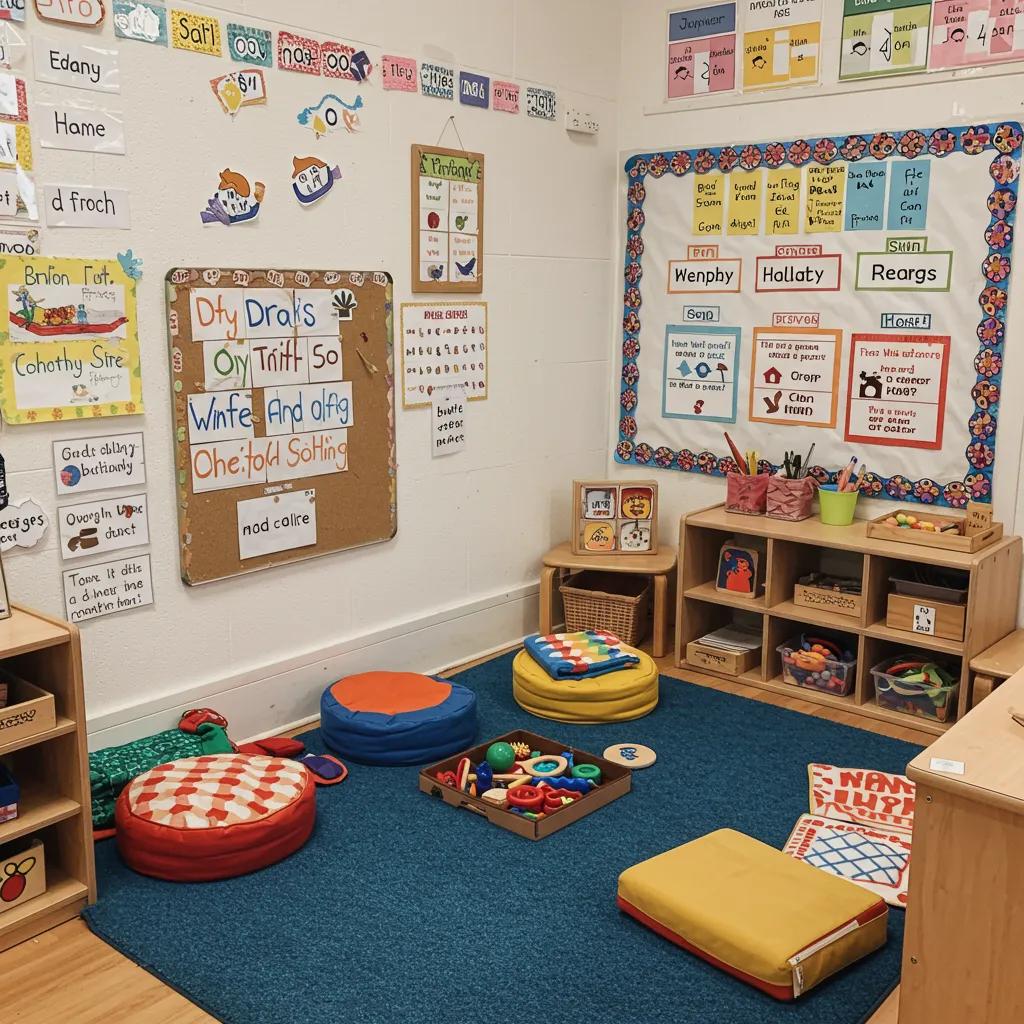
Calm-down techniques include breath counting, sensory tools (fidget, weighted lap pad), visual choice boards, and designated calm-down corners that combine predictable steps to reduce intensity and provide practice. The mechanism is multisensory engagement that competes with high arousal and provides a tangible routine children can learn to initiate. For classrooms, a brief five-step calm routine—name feeling, take three breaths, choose a tool, sit quietly for one minute, return to activity—fits transitions and preserves learning time. At home, incorporating the same language and one or two consistent techniques promotes generalization across settings. Adapting techniques to age and sensory needs ensures accessibility and sustained use.
Preschoolers' Emotion Regulation Strategy Understanding: Links to Socialization and Self-Regulation
This paper examines the relation between preschoolers' understanding of emotion regulation strategies and their emotion socialization experiences, as well as child self-regulation.
Preschoolers' emotion regulation strategy understanding: Relations with emotion socialization and child self‐regulation, TA Dennis, 2009
How Can Parents and Teachers Collaborate on Emotional Support?
Parents and teachers can collaborate by sharing simple behavioral goals, using consistent language for feelings, and coordinating reinforcement schedules so children experience aligned expectations across settings that accelerate learning. Practical tools include a one-page shared goal template with target behavior, baseline, strategies to try, and follow-up dates, plus weekly brief check-ins to adjust supports. Communication should focus on strengths first, specific observations second, and joint problem-solving third to maintain trust and shared ownership. When both home and school use the same scripts and visuals, children receive consistent cues that reduce confusion and speed skill acquisition. Structured collaboration protects program outcomes and supports continuity for the child.
How Do We Build Child Resilience During Early Childhood?
Child resilience is the capacity to adapt, recover, and learn from stressors, and it develops through repeated opportunities to succeed with supportive scaffolding that fosters self-efficacy and flexible coping. The mechanism involves strengthening stress-response systems through moderated exposures, predictable support, and opportunities for mastery that together build neural and behavioral resources. Focusing on protective factors like supportive relationships, routines, and problem-solving opportunities produces measurable changes in persistence and social competence. The following list outlines core protective factors with practical cultivation tips and expected outcomes to help caregivers and programs prioritize actions that promote long-term adaptability.
Supportive relationships: Nurture secure attachments through responsive caregiving and consistent presence.Expected Outcome: Increased secure attachment behaviors.
Predictable routines: Create reliable daily structures so children know what to expect and feel safe.Expected Outcome: Fewer transition meltdowns and faster settling.
Self-efficacy opportunities: Offer age-appropriate challenges and celebrate persistence and small wins.Expected Outcome: More attempts and persistence on difficult tasks.
Emotion coaching: Teach children to name feelings and select coping strategies when upset.Expected Outcome: Improved emotional regulation and problem-solving skills.
These protective factors interact to produce measurable improvements in classroom engagement and fewer behavior escalations over time.
What Is Child Resilience and Why Is It Important?
Child resilience refers to a child’s ability to navigate adversity, adapt to challenges, and recover from stress in ways that preserve learning and relationships, and it matters because early resilience predicts better academic and social outcomes. Mechanistically, resilience emerges from repeated supported practice that tunes stress responses and strengthens problem-solving neural circuits. Short-term benefits include quicker recovery from upset and stronger peer connections, while long-term advantages include reduced risk of mental health issues and improved school readiness. Emphasizing resilience in early years provides a buffer against developmental disruptions and aligns interventions with preventive goals that benefit children and programs alike.
Which Protective Factors Strengthen Resilience in Young Children?
Protective factors that consistently show positive impact include warm caregiver relationships, stable routines, opportunities for competence, and access to supportive environments free from chronic stressors. The reason these factors matter is that they reduce baseline stress and increase opportunities for guided mastery, which together enable adaptive coping strategies to form. Simple cultivation steps include daily one-on-one playtime, transition rituals, scaffolded tasks with incremental difficulty, and classroom rules that frame mistakes as learning. Fostering these factors produces measurable outcomes like improved persistence, social problem-solving, and fewer expulsions or suspensions in early learning settings. Strong protective scaffolds convert challenges into learning moments.
What Activities Foster Growth Mindset and Adaptability?
Activities that foster growth mindset and adaptability include scaffolded challenges, reflection prompts, game-based persistence tasks, and stories that model effort and recovery, all structured to reward process rather than innate ability. The mechanism is repeated exposure to manageable challenge with adult feedback focused on effort, which shifts attributions from fixed traits to controllable strategies and increases willingness to try. Practical examples are “challenge jars” with incrementally harder puzzles, story-time questions about character problem-solving, and classroom games where children practice alternate strategies after a setback. These activities produce small wins that accumulate into confidence and flexible problem-solving habits. Regularly measuring attempts and improvements makes progress visible.
Creative activities such as drawing and storytelling can help children express feelings and develop confidence. Explore ideas in our article Art With Purpose: Building Confidence Through Creative Expression</a>.
How Can Challenges Be Turned Into Triumphs Through Resilience?
Turning challenges into triumphs involves reframing setbacks, tracking small wins, and explicitly teaching strategies for recovery so children learn that effort leads to progress rather than defeat. The mechanism is cognitive reframing paired with behavioral practice: when adults label progress and highlight strategies used, children internalize a growth orientation. A simple in-class routine—identify problem, try one new strategy, celebrate attempt—creates a predictable cycle that converts frustration into learning. Measuring small steps (attempts, successful use of a coping strategy) and sharing results with families reinforces momentum across settings. Applied consistently, this approach changes trajectories from reactive withdrawal to curious perseverance.
What Role Does Social-Emotional Learning Play in Early Childhood Education?
Social-Emotional Learning (SEL) organizes instruction and routines around five core competencies—self-awareness, self-management, social awareness, relationship skills, and responsible decision-making—that collectively build children’s capacity to participate in learning and community life. The mechanism is curriculum and routine integration: explicit micro-lessons and embedded coaching moments teach vocabulary and strategies, while practice in real interactions produces skill generalization. Integrating SEL into circle time, transitions, and play supports empathy and conflict resolution, reducing behavioral disruptions and improving learning climates. Below are the core competencies with classroom examples to help teachers translate SEL frameworks into daily practice and measurable benefits.
What Are the Core Competencies of SEL for Preschoolers?
The five core SEL competencies manifest in preschool as simple, observable skills: self-awareness shows up as naming feelings; self-management as calming strategies; social awareness as noticing others’ emotions; relationship skills as sharing and cooperating; and responsible decision-making as choosing safer play options. These competencies develop because repeated practice in social contexts builds neural pathways for emotional and social problem solving. Classroom examples include emotion charts for self-awareness, breath breaks for self-management, role-play scenarios for social awareness, cooperative games for relationship skills, and guided choice boards for decision-making. Teaching these competencies through short, repeated activities yields measurable improvements in prosocial behaviors and classroom routines.
Learning practical approaches for helping children manage emotions can reduce emotional outbursts and support calmer problem-solving during daily routines.
How Is SEL Integrated Into Daily Preschool Routines?
SEL integrates into daily routines by embedding short, intentional moments—morning greetings, transition scripts, snack-time sharing, and problem-solving prompts—that scaffold skill practice without requiring lengthy lessons. The mechanism is frequent micro-teaching that links explicit instruction to natural opportunities for practice, which supports transfer across contexts. Practical schedule-based examples include a morning feeling check-in, a two-minute transition breathing cadence, and peer problem-solving circles after shared play. Embedding SEL this way minimizes instructional time while maximizing practice and retention. Consistent implementation across staff and families enhances generalization and strengthens program-level outcomes.
Integrating Social Emotional Learning into Preschool Curriculum and Routines
The purpose of this paper is to research the impact of social emotional learning and how social emotional learning can be most effectively integrated into existing curriculum, routines and classroom procedures. Research was limited to studies conducted with primary aged students measuring the impact of various strategies on social emotional growth. Findings showed that the integration of social emotional learning could occur in the areas of Morning Meeting, curriculum content, Project-Based Learning, free play, instructional techniques, and teacher-student relationships.
Integrating Social Emotional Learning into Curriculum Content, Routines, and Relationships in a Primary Classroom, 2020
Quality early education environments play an important role in nurturing emotional and social skills. Learn why it matters in Why Quality Early Childhood Education Matters .
How Does SEL Promote Empathy and Positive Relationships?
SEL promotes empathy and positive relationships by teaching perspective-taking, emotion recognition, and prosocial scripts that children can use during interactions, which increases prosocial behavior and reduces conflicts. Mechanistically, repeated role-play and storytelling provide cognitive rehearsal for understanding others’ feelings and selecting cooperative responses, enabling children to act more considerately in real situations. Classroom strategies include puppet role-plays, story prompts that ask “how might they feel?,” and structured peer problem-solving moments. These practices produce measurable shifts in peer interactions and classroom harmony, improving readiness to engage in cooperative learning. Over time, SEL builds relational skills foundational for schooling and social life.
Building empathy is part of a broader process of emotional intelligence development in young children. Read more in our article on Building Emotional Intelligence Through Community .
What Are the Benefits of SEL for Long-Term Emotional Health?
Early SEL yields benefits such as reduced behavioral problems, improved academic outcomes, and stronger mental health trajectories by promoting foundational skills for self-regulation and social competence that persist into later childhood and adolescence. The mechanism is early skill acquisition that enhances classroom engagement and creates positive feedback loops of success, thereby lowering cumulative stress and risk. Translating these benefits into program metrics, SEL implementation often correlates with fewer office referrals, higher classroom cohesion, and improved teacher retention because classroom climates become more manageable. Investing in SEL in preschool protects both child outcomes and program stability.
Research from the Collaborative for Academic, Social, and Emotional Learning (CASEL) shows that social-emotional learning significantly improves academic performance and long-term wellbeing.
How Can Early Childhood Mental Health Be Supported Through Resources and Interventions?
Supporting early childhood mental health requires a layered approach that includes universal promotion (routines and SEL), targeted supports (small-group coaching, brief interventions), and referral pathways for specialized care when concerns persist, because different levels address varying intensities of need. The mechanism is matched support: universal strategies reduce overall risk, targeted supports address emerging patterns, and timely referrals preserve critical developmental windows for more intensive treatment. Programs should maintain screening practices, accessible resource lists, and clear referral protocols so families receive the right level of help without delay. The following list outlines common challenges, referral cues, and resource types that align with stepped care models used in contemporary early childhood systems.
Regulatory difficulties: Support with routines, sensory tools, and co-regulation coaching.
Anxiety signs: Practice gradual exposure in predictable steps and consult pediatric providers.
Trauma responses: Prioritize safety, consistent routines, and trauma-informed consultation.
Persistent oppositional behavior: Consider targeted behavioral supports and multidisciplinary review.
These tiered supports protect long-term well-being and reduce the need for intensive interventions later.
What Are Common Early Childhood Mental Health Challenges?
Common challenges include difficulty regulating arousal, separation anxiety that impairs participation, sleep or feeding disruptions linked to emotional distress, and trauma-related reactivity; each presents in behavior that affects learning and peer relationships. The mechanism behind these challenges often involves stress physiology dysregulation and limited coping repertoires, which manifest as frequent outbursts, withdrawal, or somatic complaints. Framing concerns within developmental expectations helps caregivers determine whether problems are transient or persistent. Early acknowledgment and low-intensity supports frequently reduce symptom trajectories and avert escalation.
When Should Professional Help Be Sought for Young Children?
Professional help is recommended when concerns are persistent across settings, severe enough to limit participation, or accompanied by regression in skills, because early specialists can assess for underlying conditions and recommend evidence-based interventions. Practical next steps include documenting patterns, sharing observations with pediatric providers, and requesting early childhood mental health consultation or developmental screening as appropriate. Referral pathways often involve primary care, early intervention services, or community mental health teams that can advise on assessment and treatment options. Timely action preserves developmental windows for change and supports both the child and caregiving system.
What Resources Are Available for Parents and Educators?
Credible resources for families and educators include developmental screening tools, evidence-based SEL curricula, practitioner guides on emotion coaching, and early childhood mental health consultation networks that offer classroom-based supports and training. Using these resources helps staff implement consistent strategies, screen efficiently, and connect families to services when needed. Practical tools include ready-to-use observation templates, short coaching modules for teachers, and lists of local consultation options to streamline referrals. Accessing these resources early increases program capacity to support children in place and reduces escalations that require more intensive services.
How Do Early Interventions Impact Long-Term Emotional Well-Being?
Early interventions that combine caregiver coaching, targeted skills groups, and consistent classroom practices change developmental trajectories by strengthening regulation and social skills during sensitive periods, yielding long-term benefits in academic and mental health outcomes. The mechanism is early skill building that increases later adaptability and reduces compounding failures that lead to chronic difficulties. At the program level, early interventions often improve enrollment stability and reduce costly disruptions. Investing in early supports can therefore protect both child outcomes and program efficiency over time, creating positive returns for families and providers.
Operationalizing interventions at scale requires systems that protect program outcomes and financial sustainability; programs seeking to implement consistent screening, coaching, and targeted supports at the organizational level may benefit from booking a consultation or demo with implementation specialists to align protocols, measure fidelity, and protect program performance. A structured consult can help translate clinical practices into workflows that save staff time, reduce turnover, and protect program outcomes by ensuring interventions are applied consistently and efficiently.
How Can Technology Enhance Emotional Development and Resilience in Early Learning?
Technology can enhance emotional development by providing teacher dashboards for tracking SEL progress, digital storybooks that model emotion recognition, and brief, adult-mediated apps that scaffold practice, provided usage is age-appropriate and adult-guided. The mechanism is measurement and amplification: technology helps collect structured observations, visualizes progress across competencies, and supports consistent practice when paired with adult facilitation. Responsible adoption balances screen-based activities with real-world interactions and prioritizes evidence-based tools that demonstrate learning gains. The checklist below offers criteria for responsible use and practical examples to guide program selection and implementation.
Responsible-use checklist for technology in early SEL:
Prioritize adult-mediated experiences: Use apps as guided practice rather than isolated screen time.
Choose short, developmentally appropriate interactions: Keep sessions brief and purposeful.
Ensure data privacy and secure reporting: Opt for tools with clear measurement dashboards.
Emphasize measurement and fidelity: Select programs that allow tracking of skill acquisition over time.
Integrate tech with classroom routines: Use digital prompts to reinforce in-person lessons.
Following these criteria helps programs harness tech benefits without undermining relational development.
What Digital Tools Support Social-Emotional Learning in Preschoolers?
Digital tools that support SEL include teacher dashboards for behavior tracking, interactive storybooks that model emotional language, and guided practice apps that pair prompts with adult-mediated activities to reinforce skills. These tools work by structuring observations and making progress visible, which supports targeted practice and data-driven coaching. Classroom integration tips include using short digital prompts as part of circle time, exporting progress summaries for family communications, and combining digital modeling with in-person role-play. When chosen carefully, these tools increase efficiency in monitoring and facilitate consistent reinforcement across staff and families.
How Can Technology Be Used Responsibly to Foster Emotional Skills?
Responsible use requires adult mediation, short sessions, alignment with developmental goals, and a balance between digital and non-digital experiences so technology supplements rather than replaces human interactions. The mechanism is guided practice: technology provides structure and repetition while adults provide the relational context needed for internalizing skills. Sample adult-mediated activity designs include a shared storybook on a tablet followed by a group role-play and a brief tracking note in a teacher dashboard. Ensuring staff training and regular review of data supports fidelity and prevents overreliance on screens. Responsible use preserves relational learning while benefiting from measurement and efficiency.
Are There Evidence-Based Tech Programs for Building Resilience?
Evidence-based tech programs for resilience are those that combine brief, structured practice with adult facilitation, provide measurable outcomes, and have independent evaluations demonstrating skill gains; evaluation criteria include randomized or quasi-experimental results, measurable fidelity, and replicable classroom integration. The mechanism linking such programs to outcomes is guided practice with feedback and progress monitoring that enable timely adjustments. When selecting programs, prioritize those with clear measurement dashboards, training supports for staff, and features that protect privacy and data security. Programs meeting these standards can improve measurement, reporting, and fidelity—strengthening both child outcomes and operational efficiency.
Musical Activities in Daily Routines for Preschool Social-Emotional Learning
Carrying out musical activities in the daily routine plays an important role in encouraging social and emotional learning. For the present research, which included preschool children, we developed a plan for implementing elements of the children’s daily routine enriched with musical activities, monitored the effect of this routine on social and emotional skills, and verified the realisation of the planned musical goals. The results of the research confirmed the effect of implementing musical activities regarding (1) self-awareness and self-management – children more often recognised their own emotions, they became aware of their emotions and regulated them, they expressed a feeling of joy, respected the agreed rules, understood what is right or wrong and asked for help if they needed it; and (2) social skills for establishing relationships and so
Encouraging Social and Emotional Learning in Preschool Children Through Carrying Out Musical Activities in the Daily Routine, 2025
For programs exploring technology to measure SEL and resilience at scale, a demonstration or consultation can illustrate how dashboards and reporting tools improve fidelity, streamline measurement workflows, and protect program outcomes—helping centers translate SEL implementation into measurable, operational gains and safeguarding program viability.
What Are Effective Strategies for Parent-Teacher Collaboration on Emotional Growth?
Effective parent-teacher collaboration aligns goals, shares consistent language, and uses simple data-sharing tools so children receive coherent messages across home and school that accelerate skill learning and reduce confusion. The mechanism is system alignment: coordinated expectations and shared reinforcement increase the frequency of consistent practice and magnify learning effects. Frameworks that include shared-goal templates, scheduled brief check-ins, and common visual supports promote sustained collaboration without excessive time burdens. Below are practical steps and templates to help teams implement collaborative systems that protect child outcomes and program efficiency.
Steps to structure parent-teacher collaboration:
Establish shared goals: Create one-page objectives that are observable and measurable.
Use consistent language: Agree on simple emotion words and scripts used at home and school.
Schedule brief updates: Short weekly or biweekly check-ins maintain momentum without heavy time costs.
Share small data points: Use quick trackers of attempts and successes to guide joint problem-solving.
These operational practices preserve alignment, protect program outcomes, and make collaboration sustainable for busy families and educators.
How Can Parents and Teachers Share Emotional Development Goals?
Parents and teachers can share goals using a concise template that specifies the target behavior, context, baseline, strategies to try, and follow-up timing so both settings use the same expectations and reinforcement plans. The mechanism is mutual accountability and repeated practice across contexts: when adults agree on the same targets and language, children experience consistent cues that speed learning. Facilitation steps include a short joint meeting, filling out the template together, and scheduling a quick follow-up to assess progress and tweak strategies. This simple process reduces miscommunication and focuses energy on practical steps that children can practice in both environments.
What Are Best Practices for Consistent Emotional Support Across Home and School?
Best practices include aligning language and routines, using visuals and scripts for transitions, and setting a predictable communication cadence so strategies are reinforced consistently rather than sporadically. The underlying mechanism is repetition and predictability: consistent cues across settings lower cognitive load and allow children to practice strategies more often. Quick scripts for families and teachers—such as “name it, breathe, try one choice”—standardize responses and simplify coaching. Maintaining a light documentation habit (brief notes on successes/challenges) supports coordinated adjustments and reduces duplicated efforts. These practices foster continuity that benefits children and eases adult workload.
How Can Case Studies Illustrate Successful Parent-Teacher Partnerships?
Anonymized case studies show process and measurable outcomes: define the problem, describe aligned interventions (shared goal, consistent scripts, brief progress checks), and report measurable change such as reduced tantrums or increased cooperative play over weeks. The mechanism illustrated is that coordinated efforts across home and school multiply practice opportunities and create reinforcing loops that accelerate learning. Short case examples clarify how to translate frameworks into daily routines and what metrics to track. Sharing such stories with staff and families builds buy-in and demonstrates that manageable systems produce tangible improvements.
Periods of emotional regression are common, and supporting children through life changes helps them rebuild emotional security and resilience.
At the conclusion of collaborative planning, administrators and program leaders are often best served by a demonstration or consultation that aligns home-school systems, streamlines protocols, and protects program outcomes; booking a demo or consultation can help translate these collaborative practices into standardized workflows that reduce staff time, increase family engagement, and safeguard program performance.
Frequently Asked Questions
1: What is social-emotional development in preschoolers?
Social-emotional development in preschoolers refers to learning how to understand emotions, manage impulses, build relationships, and respond appropriately to social situations through guided practice and supportive relationships.
2: What are normal emotional behaviors for preschool-aged children?
Typical behaviors include occasional tantrums, difficulty waiting, emotional sensitivity, and gradual improvement in sharing, empathy, and verbal expression as language and self-regulation skills mature.
3: How can parents help preschoolers manage strong emotions?
Parents can support emotional regulation by naming emotions, maintaining predictable routines, modeling calm behavior, and using co-regulation strategies like breathing and problem-solving together.
4: When should parents worry about emotional delays?
Concern may be warranted if emotional challenges persist across settings, interfere with learning or relationships, or do not improve with consistent support, in which case professional screening is recommended.
5: Why is social-emotional learning important in early childhood?
Social-emotional learning builds foundational skills for empathy, self-control, resilience, and cooperation, which are essential for long-term academic success and mental well-being.
