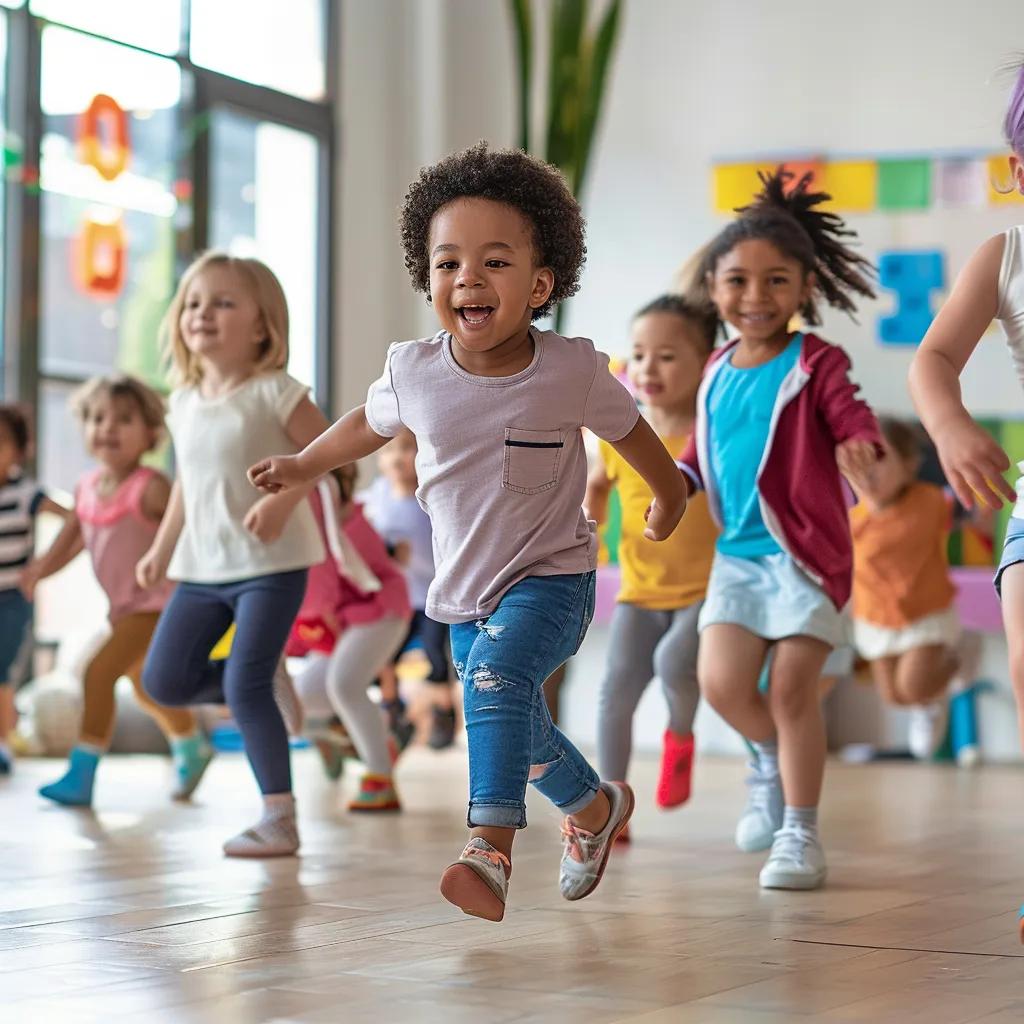
Why Children Need Movement Every Day
Why Children Need Movement Every Day
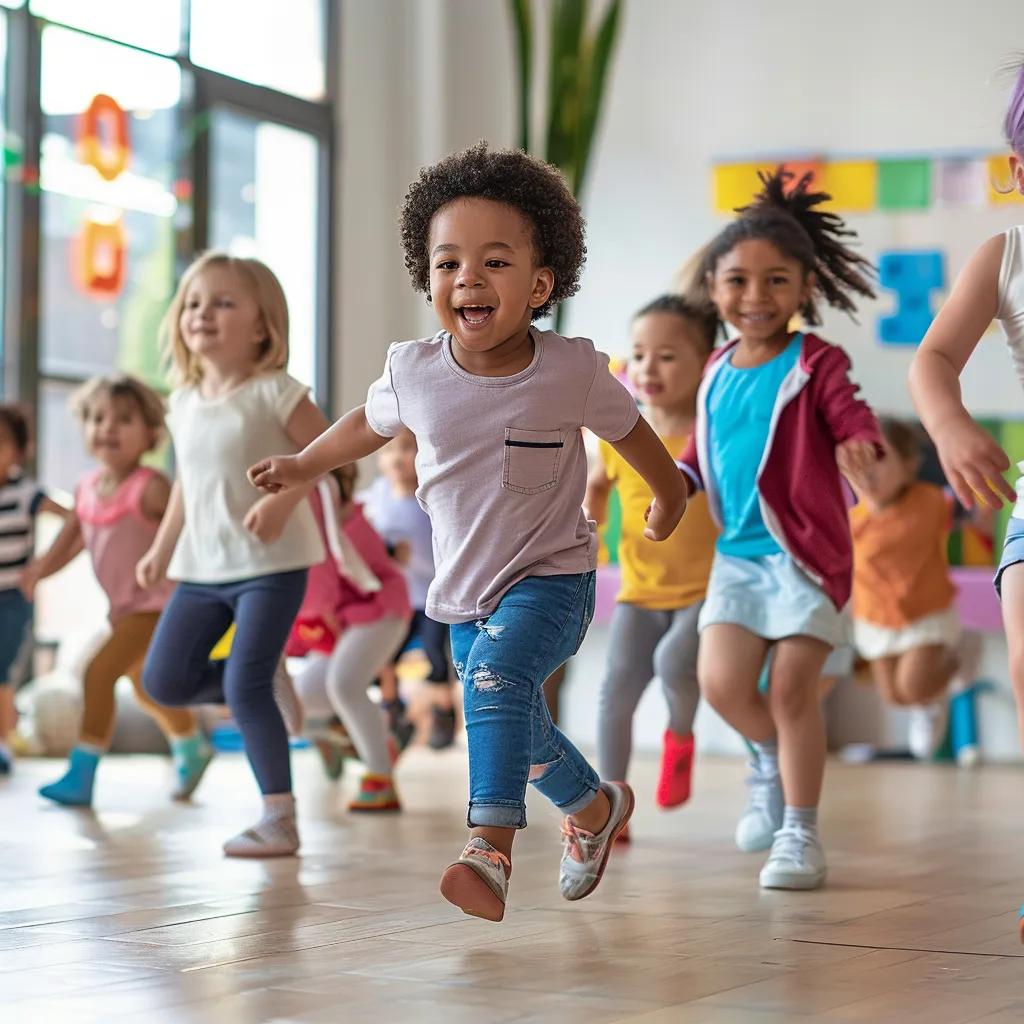
Movement isn’t just a way for kids to “burn off energy.” It’s a vital part of their physical, emotional, social, and cognitive development. From the moment they wake up, children learn through their bodies — touching, jumping, running, climbing, rolling, stretching, and exploring.
In early childhood, movement isn’t optional. It’s essential. Here’s why.
1. Movement Builds a Strong, Healthy Body
Young children grow rapidly, and active play helps develop:
- Strong muscles and bones
- Healthy heart and lungs
- Coordination and balance
- Body awareness and spatial understanding
Daily physical activity lays the foundation for lifelong health. Kids who move more in childhood often develop better health habits as they grow.
2. Movement Strengthens Brain Development
Surprising but true: Movement fuels the brain.
When children climb, crawl, run, and explore, they build neural connections that support:
- Problem-solving
- Memory
- Attention
- Language development
- Emotional regulation
Research shows that children learn concepts faster when movement is part of the experience — for example, counting steps while climbing or identifying colors while playing outdoors.
3. Movement Supports Emotional Well-Being
Kids have big emotions, and physical activity helps them express and release feelings in a healthy, natural way.
Movement helps children:
- Reduce stress
- Regulate emotions
- Increase confidence
- Feel calmer and more secure
When we give children time and space to move, we’re giving them tools to manage their emotions.
4. Movement Boosts Social Skills
Whether kids are playing chase, dancing, building obstacle courses, or creating pretend-play worlds, movement encourages cooperation and communication.
Active play develops:
- Sharing
- Turn-taking
- Leadership
- Teamwork
- Negotiation
Children learn the rules of social interaction through movement experiences with others.
5. Movement Improves Learning and Focus
Kids don’t sit still because their brains aren’t wired to — especially in the early years. Physical movement actually improves their ability to concentrate later.
Children who move frequently throughout the day show:
- Better attention spans
- Stronger working memory
- Improved listening skills
- Enhanced readiness for academic learning
A quick dance break or outdoor play session can do more for focus than forcing a child to sit longer.
6. Movement Encourages Creativity & Imagination
When kids move their bodies, their minds open up, too. Active play helps them experiment, problem-solve, and imagine new possibilities.
Running becomes pretending to be a superhero. Climbing becomes exploring a mountain. Jumping becomes flying to outer space.
Movement fuels creativity — and creativity fuels learning.
7. Movement Helps Children Sleep Better
Active children generally fall asleep faster, sleep deeper, and wake up more refreshed. Healthy movement during the day leads to more stable sleep routines, which improves mood and behavior.
Better movement = better sleep = better learning.
How Kidazzle Supports Movement Every Day
At Kidazzle, movement is built into every part of the day — not just outdoor time. Our classrooms and playgrounds are designed for safe exploration, allowing children to:
- Run, climb, and play outdoors
- Dance, stretch, and move during circle time
- Explore sensory and gross-motor activities
- Participate in hands-on learning experiences
Movement isn’t an “extra” for us — it’s a foundation for healthy development. When children move daily, they grow stronger, think deeper, and learn with confidence.
Final Thoughts
Movement is more than activity — it’s a language children use to understand the world. When we encourage daily movement, we support their physical health, growing brain, emotional well-being, and confidence.
At Kidazzle, we embrace movement as a joyful, essential part of childhood. Because active bodies build bright minds.
