How to Teach Your Child Empathy in 7 Simple Steps
How to teach your child empathyis a crucial question for many parents and childcare providers. Empathy, the ability to understand and share the feelings of others, is a cornerstone of emotional and social development. Helping your child develop empathy can lead to better relationships, improved communication skills, and a greater ability to steer social situations effectively.
According to the
👉 American Academy of Pediatrics, social-emotional learning (including empathy) plays a crucial role in early childhood development.
👉 Read expert parenting guidance here:
https://www.healthychildren.org/English/family-life/family-dynamics/communication-discipline
Quick Answer: How to teach your child empathy
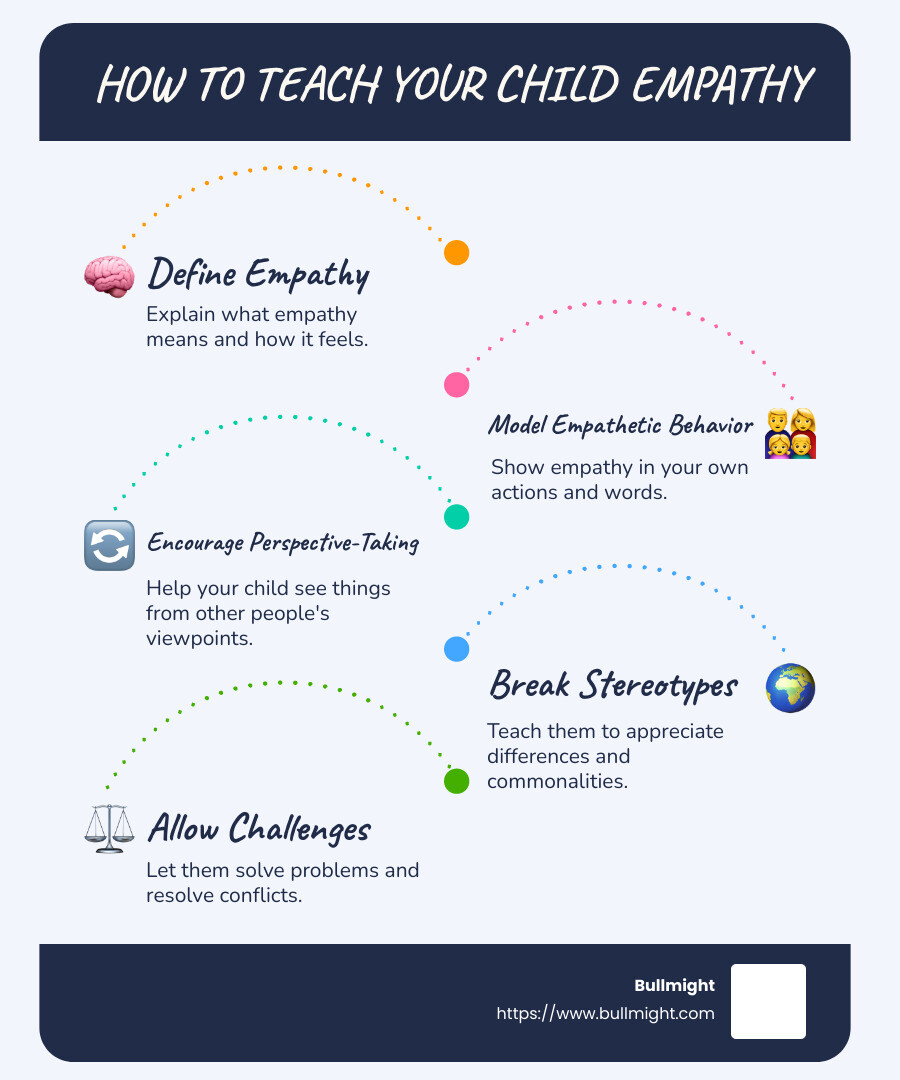
Define empathy clearly.Explain what it means and how it feels.
Model empathetic behavior.Show empathy in your own actions and words.
Encourage perspective-taking.Help your child see things from other people's viewpoints.
Break stereotypes.Teach them to appreciate differences and commonalities.
Allow challenges.Let them solve problems and resolve conflicts.
Teach fairness.Discuss the difference between being fair and being equal.
Discuss real-world issues.Talk about societal problems and the importance of compassionate action.
Understanding Empathy in Child Development
Empathy goes beyond simple acts of kindness. It's about understanding that others have different thoughts and feelings and responding thoughtfully. Developing empathy is not a one-time lesson but a continuous process. It begins with self-awareness and recognition of common emotions such as happiness, anger, or sadness. Over time, children learn to use this understanding to connect with others.
👉 Internal resource for deeper learning:
https://kidazzle.com/child-development-milestones
Helping your child grow this essential skill can provide them with the foundation for sound judgment, success, and healthy relationships throughout their life. In the subsequent sections, we will dive deeper into seven practical steps to teach your child empathy.
Step 1: Define Empathy
To start teaching your child empathy, you first need to define what it is. Empathy involves two main types:affective empathyandcognitive empathy.
Affective Empathy
Affective empathyis the natural ability to react to another person's emotions. For example, if someone smiles at you, you might smile back. If someone is sad, you might feel sad too. This type of empathy is something we're all born with, but it can be nurtured and developed further.
👉 Research-backed child development insights: Centers for Disease Control and Prevention
Cognitive Empathy
Cognitive empathyis the ability to understand and relate to another person's feelings intentionally. This involves thinking about how someone else might feel in a given situation. Unlike affective empathy, cognitive empathy requires conscious effort and can be taught and strengthened over time.
Self-Awareness
Self-awareness is the foundation of empathy. It helps children recognize their own emotions and understand how their feelings can affect others. When children are self-aware, they are better equipped to understand and share the feelings of others.
Simple Steps to Build Self-Awareness:
Label Emotions:Help your child recognize and label their emotions. For instance, say, "You seem angry. Are you feeling frustrated?"
Discuss Feelings:Talk openly about emotions rather than dismissing them. Ask questions like, "What made you feel this way?"
Use Empathy Maps:Create simpleempathy mapswith four sections: Feel, Think, Say, and Do. For example, "When I feel worried, I might think I'm making mistakes. I say 'I can't do this' and do nothing. To help, I can take deep breaths."
Practical Example
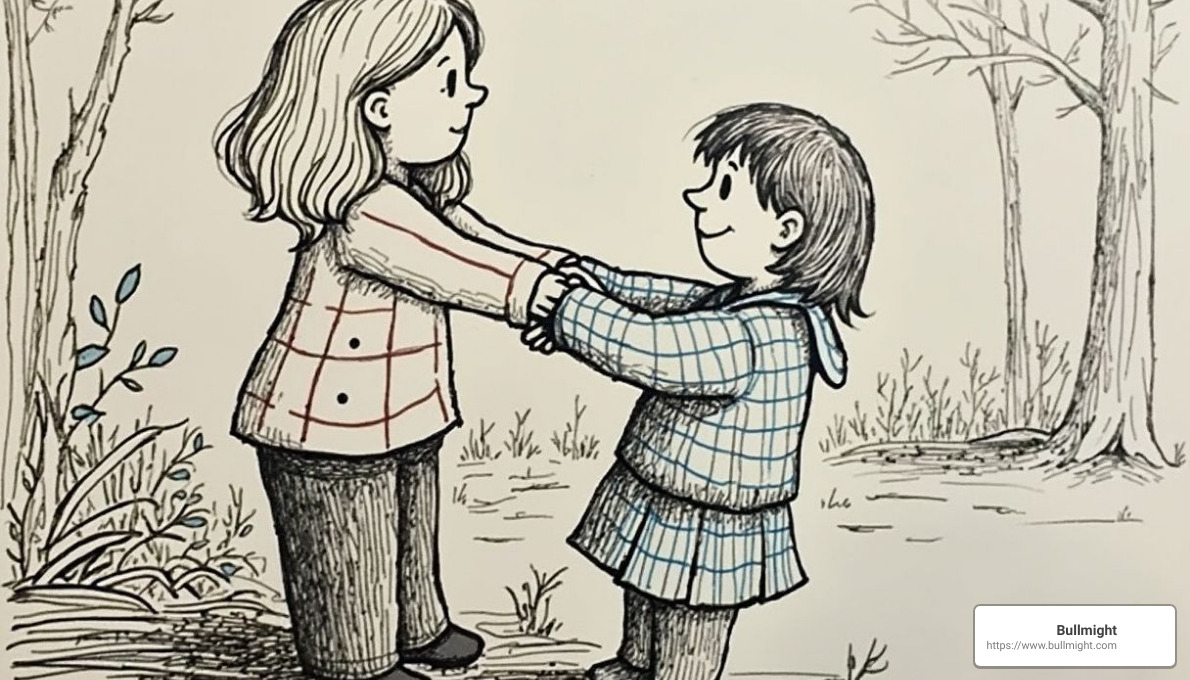
Imagine your child sees a classmate upset because they lost a game. You can say, "It looks like Jamie is feeling sad because he lost the game. How do you think you would feel if you were in his shoes?" This helps your child start to practice cognitive empathy by imagining another person's feelings.
Real-Life Application
Discussing real-world examples can also be helpful. For instance, if you see a news story about a natural disaster, ask your child, "How do you think the people affected by the flood are feeling? What can we do to help?" This encourages them to think beyond their immediate surroundings and develop abroader sense of empathy.
By defining empathy clearly and helping your child become more self-aware, you lay the groundwork for them to understand and connect with others on a deeper level. Next, we will explore how to model empathetic behavior in your daily life.
Step 2: Model Empathy
To teach your child empathy, it's crucial tolead by example. Children learn by observing the adults around them, so your actions can significantly influence their ability to empathize.
Role Modeling
Role modelingis one of the most effective ways to teach empathy. Show empathy in your daily interactions, whether it's with family members, friends, or even strangers. For example, if you see someone struggling with heavy bags, offer to help and explain to your child why you did it. This demonstrates compassion and kindness.
Active Listening
Active listeningis another critical component of modeling empathy. When your child talks to you, give them your full attention. Make eye contact, nod in acknowledgment, and respond thoughtfully. This shows your child that you value their feelings and opinions.
Tips for Active Listening:
Put Away Distractions:Turn off the TV, put down your phone, and focus solely on your child.
Use Open-Ended Questions:Ask questions that encourage your child to express themselves, like "How did that make you feel?" or "What do you think we should do?"
Reflect Back:Repeat back what your child says to show you understand. For example, "It sounds like you're really upset because your friend didn't share."
Eye Contact
Eye contactis a simple yet powerful way to show empathy. It helps establish a connection and shows that you are genuinely interested in what the other person is saying. Teach your child to make eye contact when speaking to others, as it can help them better understand and relate to people's emotions.
Practical Example
Suppose your child notices a friend looking sad. Encourage them to approach their friend, make eye contact, and ask, "Are you okay? Do you want to talk about it?" This small act can make a big difference in showing empathy and providing support.
👉 Explore early learning programs:
https://kidazzle.com/early-childhood-programs
Real-Life Application
Discussing real-life scenarios can also help. For instance, if you see a news story about healthcare workers during a pandemic, ask your child, "How do you think the doctors and nurses feel working long hours to help others? What can we do to show our appreciation?" This helps your child understand and empathize with people they may not interact with directly.
By modeling empathetic behavior throughrole modeling, active listening, and maintaining eye contact, you set a powerful example for your child to follow. Next, we'll dive into how to encourage perspective-taking to further develop their empathy skills.
Step 3: Encourage Perspective-Taking
To truly teach your child empathy,encouraging perspective-takingis essential. This involves helping them understand and consider other people's thoughts, feelings, and viewpoints. Let's explore how to do this effectively.
Mentalizing
Mentalizingis the ability to understand the mental states of oneself and others. It's like putting yourself in someone else's shoes and imagining what they might be thinking or feeling.
How to Teach Mentalizing:
Ask Questions:Encourage your child to think about others' perspectives by asking questions like, "What do you think your friend felt when that happened?" or "Why do you think they acted that way?"
Storytelling:Use stories to explore different viewpoints. For example, after reading a book, discuss how each character might feel and why.
Role-Playing:Act out scenarios where your child has to consider another person's feelings. This can be a fun and interactive way to practice mentalizing.
👉 Related parenting guide:
https://kidazzle.com/positive-parenting-tips
Listening to Understand
Listening to understandis more than just hearing words; it's about fully comprehending the speaker's message and emotions.
Steps to Listen to Understand:
Be Present:Give your full attention to the speaker. This means no distractions.
Ask Clarifying Questions:If you don't understand something, ask for more information. For example, "Can you tell me more about how that made you feel?"
Reflect and Validate:Repeat back what you heard to confirm understanding. For instance, "It sounds like you felt really hurt when that happened."
Diverse Stories
Reading and discussingdiverse storiescan significantly broaden your child's perspective. Books, movies, and news stories about people from different backgrounds and experiences can help.
How to Use Diverse Stories:
Choose Diverse Books:Select books that feature characters from various cultures, abilities, and life experiences.
Discuss the Stories:After reading, talk about the characters' experiences. Ask questions like, "How do you think they felt?" or "What would you do in that situation?"
Relate to Real Life:Connect the stories to real-life events or people. For example, "This character moved to a new country, just like your friend from school."
Lived Experiences
Understandinglived experiencesof others helps children see beyond their own world. Encourage them to learn about different people and their challenges.
Ways to Explore Lived Experiences:
Volunteer Together:Participate in community service activities. This exposes your child to different life situations and fosters empathy.
Watch Documentaries:Choose documentaries that highlight various life experiences and discuss them afterward.
Invite Conversations:If possible, introduce your child to people from different backgrounds and encourage open conversations about their experiences.
Byencouraging perspective-takingthrough mentalizing, listening to understand, exploring diverse stories, and learning from lived experiences, you help your child build a strong foundation of empathy.
Next, we'll explore how breaking stereotypes can further improve their empathetic skills.
Step 4: Break Stereotypes
Breaking stereotypes is crucial in teaching your child empathy. Stereotypes are oversimplified ideas about groups of people. They can lead to unfair judgments and prevent us from seeing others as unique individuals. Let's explore how to help your child recognize and break these stereotypes.
Understanding Stereotypes
Stereotypes can be based on gender, race, age, or other characteristics. They simplify complex human beings into one-dimensional categories.
How to Address Stereotypes:
Identify Stereotypes:Start by pointing out stereotypes in media, books, or conversations. For example, "Did you notice how all the villains in this story look the same?"
Discuss Their Origins:Explain where stereotypes come from and why they are harmful. Use simple language like, "People sometimes make quick judgments about others because they don't know them well."
Challenge Stereotypes:Encourage your child to question stereotypes. Ask, "Do you think all girls like pink?" or "Do you believe that boys can't cry?"
Gender and Race
Gender and race are common areas where stereotypes exist. Breaking these down helps children see everyone as individuals.
Activities to Break Gender and Race Stereotypes:
Diverse Role Models:Introduce your child to role models from different genders and races. Highlight their achievements and contributions.
Inclusive Play:Encourage play that defies gender norms. For example, let boys play with dolls and girls with trucks.
Celebrate Diversity:Participate in cultural festivals and learn about different traditions. This helps children appreciate various cultures and backgrounds.
Finding Commonalities
While it's important to recognize differences, finding commonalities helps build connections and understanding.
How to Find Commonalities:
Shared Interests:Talk about interests that transcend differences. For example, "You both love soccer, even though you come from different places."
Universal Experiences:Highlight experiences everyone shares, like feeling happy, sad, or excited. This shows that beneath our differences, we are all human.
Group Activities:Engage in activities that require teamwork, such as sports or group projects. This fosters a sense of unity and cooperation.
Highlighting Achievements
Focusing on the achievements of individuals from various backgrounds helps counteract stereotypes and shows that everyone has unique strengths.
Ways to Highlight Achievements:
Read Biographies:Choose biographies of people from diverse backgrounds. Discuss their challenges and successes.
Watch Documentaries:Select documentaries that showcase the achievements of different groups. Discuss the impact these individuals have made.
Celebrate Heroes:Create a "Hero Wall" at home with pictures and stories of diverse individuals who have made significant contributions.
By helping your child understand and break stereotypes, you pave the way for a more empathetic and inclusive mindset. Encourage them to see beyond superficial differences and value each person's unique qualities.
Next, we'll discuss how allowing challenges can further develop empathy in your child.
Step 5: Allow Challenges
Allowing your child to face challenges is essential for teaching empathy. When children encounter difficulties, they learn problem-solving and conflict resolution skills. These experiences are often low stakes, making them perfect learning opportunities.
Problem-Solving
Facing challenges helps children develop problem-solving skills. When they come across an obstacle, they learn to think critically and find solutions.
How to Encourage Problem-Solving:
Ask Open-Ended Questions:Instead of giving solutions, ask questions like, "What do you think we should do next?" This encourages your child to come up with their own ideas.
Provide Tools, Not Answers:Offer resources or tools that can help solve the problem. For example, if they are struggling with a puzzle, suggest looking at the picture on the box for clues.
Celebrate Efforts:Praise the effort, not just the result. Say things like, "I saw how hard you worked on that problem. Great job!"
Conflict Resolution
Learning to resolve conflicts is another critical aspect of developing empathy. When children steer disagreements, they understand others' perspectives and emotions.
How to Teach Conflict Resolution:
Role-Playing:Act out common conflicts and practice resolving them. For instance, role-play a scenario where two kids want the same toy and discuss how to share it.
Use "I" Statements:Teach your child to express their feelings using "I" statements, such as "I feel upset when you take my toy without asking."
Find Common Ground:Encourage your child to find solutions that work for both parties. Ask, "What can we do so that both of you are happy?"
Low Stakes
School-age problems are often low stakes, meaning they provide a safe environment for children to learn and grow. These challenges are usually supported by adults, making them ideal for teaching empathy.
Benefits of Low-Stakes Challenges:
Safe Learning Environment:Children can make mistakes and learn from them without severe consequences.
Adult Support:Adults are available to guide and support, providing a safety net for children.
Real-World Preparation:These experiences prepare children for more significant challenges in the future.
Learning Opportunities
Every challenge is a learning opportunity. By allowing your child to face difficulties, you help them build resilience and understanding.
How to Turn Challenges into Learning Opportunities:
Reflect on Experiences:After a challenge, discuss what happened and what was learned. Ask questions like, "What did you learn from this situation?"
Encourage Empathy:Highlight how others might feel in similar situations. For example, "How do you think your friend felt when you didn't share?"
Promote Growth Mindset:Encourage a mindset that views challenges as opportunities for growth. Say things like, "Mistakes are how we learn and get better."
Expert Insight
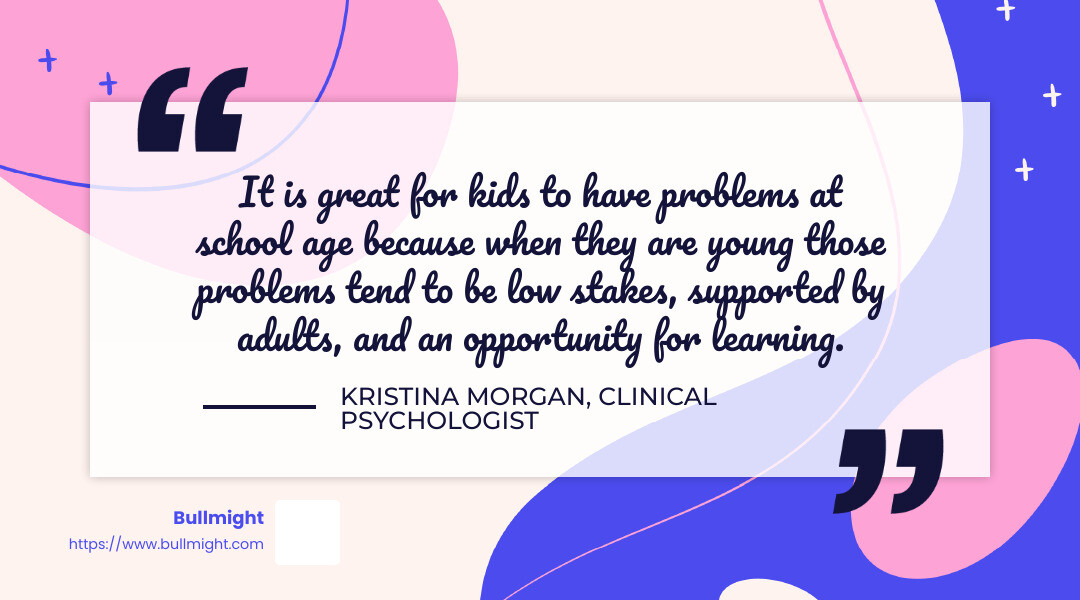
Kristina Morgan, a clinical psychologist at Lourdes Hill College, emphasizes the importance of letting kids encounter challenges. She says, “It is great for kids to have problems at school age because when they are young those problems tend to be low stakes, supported by adults, and an opportunity for learning.”
By allowing your child to face and overcome challenges, you provide them with invaluable skills andexperiences that foster empathy.
Next, we'll discuss how teaching fairness and understanding privilege can further develop empathy in your child.
Step 6: Teach Fairness
Understanding fairness is crucial in teaching your child empathy. It's important to help them see thatequaldoes not always meanfair.
Equal vs Fair
Children often think fairness means everyone gets the same thing. However, fairness is about everyone getting what they need to succeed.
Example:If one child needs extra help with homework and another doesn't, giving both the same amount of help isn't fair. The child who needs more help should get it.
How to Explain:
Use Simple Examples:Pour different amounts of juice into glasses and explain that fairness is about giving each person what they need, not the same amount.
Discuss Scenarios:Talk about situations where fairness might look different from equality. Ask, “Is it fair to give everyone the same amount of food if one person is very hungry and the other is not?”
Privilege Awareness
Children need to understand that some people start with advantages others don't have. This helps them appreciate their own privileges and develop empathy for those less fortunate.
How to Teach:
Talk About Privilege:Explain that having certain things (like a safe home or good school) is a privilege, not something everyone has.
Use Real-Life Examples:Point out examples in daily life, such as how some people might struggle more due to lack of resources.
Encourage Gratitude:Teach your child to be thankful for what they have and to recognize their luck.
Quote:Kristina Morgan, a clinical psychologist, says, “Being born with advantages doesn’t make you better than others. It just makes you lucky.”
Appreciation vs Entitlement
It's important for children to learn to appreciate what they have, rather than feeling entitled to it.
How to Foster Appreciation:
Practice Gratitude:Encourage your child to say thank you and recognize the efforts others make for them.
Share Stories:Talk about people who have overcome difficulties and what they had to do to succeed.
Volunteer Together:Engage in volunteer work to help your child see the struggles others face and appreciate their own situation.
Activity:Create anempathy mapwith your child. Choose an emotion and brainstorm what someone might feel, think, say, and do in that situation. This helps them understand and appreciate different perspectives.
Expert Insight
Kristina Morgan highlights the importance of not making the world bump-free for your child. She says, “If you do, they will find it hard to appreciate that other people struggle.”
By teaching your child about fairness, privilege, and appreciation, you help themdevelop a deeper sense of empathyand understanding for others.
Next, we'll explore how discussing real-world issues can further improve your child's empathy.
Step 7: Discuss Real-World Issues
Talking about real-world issues helps your child understand the challenges others face. This step is essential for building deep empathy.
Mental Health
Mental health issues affect many people. Discussing them can help your child understand and empathize with those who struggle.
How to Discuss:
Use Simple Language:Explain that mental health is like physical health. Just as people can get sick physically, they can also struggle mentally.
Share Stories:Talk about someone (without naming names) who has faced mental health challenges. Ask your child how they think that person feels.
Encourage Kindness:Teach your child to be supportive and kind to those who may be struggling.
Example:"Imagine feeling very sad or worried all the time. How would you want others to treat you?"
Domestic Abuse
Domestic abuse is a serious issue that can affect anyone. It's important to teach your child about it in an age-appropriate way.
How to Discuss:
Explain Safety:Talk about the importance of feeling safe at home. Explain that not everyone has this safety.
Use Books or Stories:Find age-appropriate books that discuss domestic abuse and its effects.
Encourage Empathy:Ask your child how they might help a friend who is scared or hurt at home.
Activity:Watch a relevant TV show or read a book together. Discuss the characters' feelings and what could be done to help.
Homelessness
Homelessness is a visible issue that children may notice in their community. Discussing it can foster empathy and a desire to help.
How to Discuss:
Explain the Basics:Tell your child that some people do not have a home. Explain why this might happen (e.g., losing a job, illness).
Visit a Shelter:If possible, visit a homeless shelter together to show your child how people are helped.
Encourage Action:Discuss ways to help, such as donating clothes or food.
Example:"How would you feel if you didn't have a place to sleep? What could we do to help someone in that situation?"
Societal Problems
Children should be aware that societal problems like poverty, racism, and inequality affect many people. Discussing these issues can help them understand and empathize.
How to Discuss:
Use News Stories:Watch the news together and discuss current events. Ask your child what they think and feel about these issues.
Ask Questions:Encourage your child to think about how others might feel. For example, "How do you think it feels to be treated unfairly because of your skin color?"
Encourage Volunteering:Get involved in community service. This helps your child see the impact of societal problems and the importance of helping.
Quote:Kristina Morgan says, “In order to ‘keep kids safe’ parents often act as though issues don’t exist, as though the world is tidy. Kids end up unprepared, unempathetic, and a bit entitled.”
By discussing real-world issues, you help your child develop a broader sense of empathy and understanding. This prepares them to be compassionate andproactive members of society.
Next, we'll address some frequently asked questions about how to teach your child empathy.
Frequently Asked Questions about How To Teach Your Child Empathy
Can empathy be taught to a child?
Absolutely, empathy can be taught. It requirespatience, love, and understanding. Children learn empathy by observing and interacting with empathetic adults. When you show empathy towards them, they understand how it feels and begin to replicate that behavior.
Example:When your child is upset, acknowledge their feelings by saying, "I see that you're sad because your toy broke. It’s okay to feel that way."
Teaching empathy also involves helping children understand different perspectives.Role-playingand discussing emotions in various scenarios can make a big difference.
What causes a child to lack empathy?
Several factors can contribute to a lack of empathy in children. Some common causes include:
Emotional Attachments:Children who do not form secure attachments with caregivers may struggle with empathy.
Behavior Disorders:Conditions like Oppositional Defiant Disorder (ODD) can make it challenging for children to empathize.
Autism:Children on the autism spectrum might have difficulty understanding and expressing emotions.
Trauma:Experiencing trauma can affect a child's ability to empathize with others.
It's important to identify the root cause and provide the necessary support.Therapistsandcounselorscan offer specialized help for children with these challenges.
At what age should a child show empathy?
Children typically start to show signs of empathy around the age offour years old. At this stage, they begin to understand that others have different thoughts and feelings.
Milestones to Look For:
Understanding Emotions:Recognizing common emotions like happiness, sadness, anger, and surprise.
Labeling Emotions:Being able to name their own and others' emotions.
Activity:Read books that discuss feelings. Ask questions like, "How do you think the character feels?" and "What would you do to help them feel better?"
By fostering empathy from a young age, you help your child develop into a compassionate and understanding individual.
Next, we'll explore the benefits of proactively teaching empathy to your child.
Conclusion
Proactively teaching empathy is one of the most valuable investments you can make in your child's development. Empathy helps children form strong relationships, improve their social skills, and understand the world from diverse perspectives.
Why Proactive Teaching Matters
When you actively teach empathy, you are not just waiting for your child to pick it up on their own. You are providing them with the tools and experiences they need to understand and feel for others. This proactive approach includes:
Modeling Empathy:Show empathy in your daily interactions. Children learn by watching you.
Encouraging Perspective-Taking:Help your child see situations from another person's point of view.
Discussing Emotions:Regularly talk about feelings and why people might feel a certain way.
Benefits of Teaching Empathy
Better Relationships:Empathetic children are more likely to form strong and healthy relationships. They can understand and respond to the emotions of friends and family.
Improved Social Skills:Empathy fosters better communication and cooperation. Your child will be better equipped to work in teams and resolve conflicts.
Improved Emotional Regulation:Understanding emotions helps children manage their own feelings better. They learn to cope with stress and frustration in healthier ways.
Greater Academic Success:Empathy can lead to a more positive school environment. Students who understand and care for each other create a supportive learning atmosphere.
Global Awareness:Empathy extends beyond personal relationships. It helps children understand global issues and the challenges faced by people worldwide.
By integrating empathy into your child's daily life, you are setting them up for a future filled with compassion and understanding. It's a lifelong skill that will benefit them in countless ways.
For more tips and resources on teaching empathy and other social skills, visitKidazzle Childcare.
Empathy isn't just a skill; it's a way of life. Start teaching it today.
❓ FAQs
1. Can empathy be taught to children?
Yes, empathy can be taught through modeling behavior, communication, and real-life practice.
2. At what age do children develop empathy?
Children start showing empathy around age 3–4, but it develops gradually over time.
3. What are signs of empathy in children?
Sharing, comforting others, understanding emotions, and showing concern are key signs.
4. Why is empathy important in early childhood?
It helps children build relationships, improve communication, and manage emotions effectively.
5. How can parents encourage empathy daily?
Through storytelling, role-playing, discussing feelings, and leading by example.
