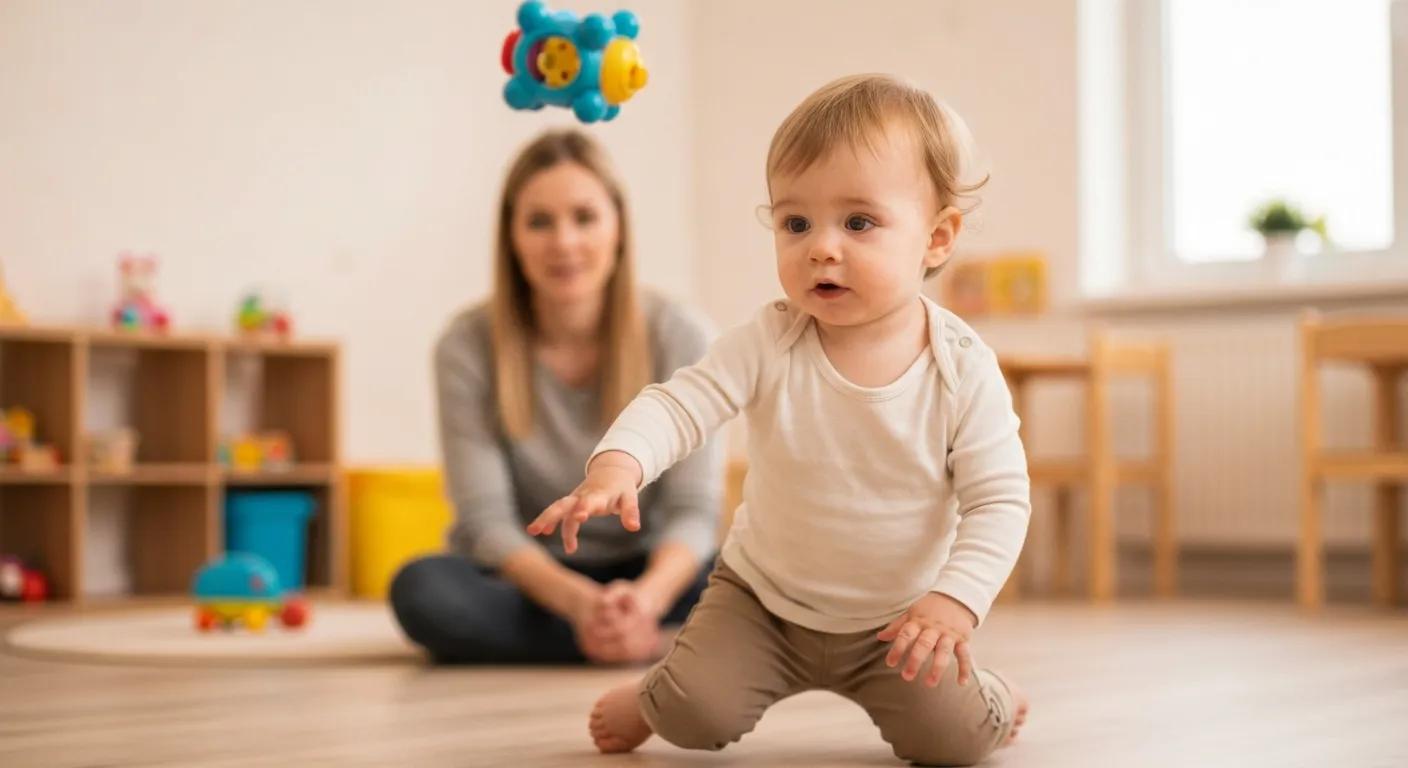
The Psychology Behind Toy-Throwing: Understanding Your Child’s Behavior
Written in a warm, educational tone perfect for Kidazzle Childcare.
The Psychology Behind Toy Throwing: Why Kids Throw Toys & How to Respond
Discover why toddlers throw toys, what it says about their development, and expert strategies to guide behavior positively. Learn practical parenting tips backed by child psychology.
If you’ve ever watched your child joyfully launch a block across the room—or drop a toy on purpose for the tenth time—you’re not alone. Toy-throwing is one of the most common behaviors in early childhood, and while it can be frustrating, it’s packed with developmental meaning.
Before you jump to “They’re misbehaving,” it helps to understand what’s going on inside that growing mind. Toy-throwing is not about defiance… it’s about learning.
Toy-throwing is closely connected to early brain development. You can learn more here:
https://kidazzle.com/what-recent-research-says-about-early-childhood-brain-development-and-what-it-means-for-your-child
Let’s break down the psychology behind the throw.
1. It’s a Natural Part of Early Exploration
Young children learn with their whole bodies. Throwing is one of the earliest ways toddlers explore cause and effect:
What happens if I drop this?
What if I throw it harder?
Does it make a sound?
Will someone react?
This curiosity is healthy—it's how children build early problem-solving and scientific thinking.
Try this:Offer “safe-to-throw” items like soft balls or plush toys and redirect the energy.
2. They’re Testing Boundaries
Toy-throwing often brings a reaction—sometimes a big one.
Children quickly learn:
What gets attention
What gets a big, dramatic response
What gets them what they want
They’re not manipulating; they’re learning the rules of their environment.
This is also why many toddlers struggle with listening. Read more:
https://kidazzle.com/why-three-year-olds-dont-listen-and-how-to-change-that
Try this:Respond calmly and consistently with clear boundaries: “Blocks are for building. If you throw them, I’ll put them away.”
3. They’re Communicating Emotions (Especially When Words Are Hard)
Toy-throwing can be an early form of communication. Kids may throw when they’re:
Overstimulated
Tired
Frustrated
Excited
Seeking connection
Since toddlers don’t yet have emotional vocabulary, their hands speak for them.
Learn how to teach your child empathy: https://kidazzle.com/how-to-teach-your-child-empathy
Try this:Name the feeling: “It looks like you’re frustrated,” and model calm behavior.
4. They’re Practicing Motor Skills
Throwing strengthens:
Arm and shoulder muscles
Coordination
Spatial awareness
Grip and release control
It’s a natural and important part of physical development.
Try this:Add structured throwing time: tossing soft balls into baskets, aiming at foam targets, or playing gentle catch.
5. They’re Seeking Sensory Input
Some children throw because they crave sensory feedback—the thrill of motion, impact, or sound.
This can be especially true for children with big sensory needs.
Try this:Offer alternative sensory outlets:
Heavy work activities
Sensory bins
Outdoor throwing games
Water play
6. They’re Learning Self-Control (Slowly, Over Time)
Impulse control develops gradually. Very gradually.
Your child isn’t ignoring you—they’re growing the part of their brain that manages urges, and it simply takes practice.
Try this:Stay patient, predictable, and supportive. Repetition is how toddlers learn.
How to Respond to Toy-Throwing (Without Losing Your Calm)
Here are simple, positive guidance strategies you can use:
Stay neutral — Avoid big reactions.
Redirect — “Let’s throw this soft ball instead.”
Set clear limits — “Toys stay on the floor.”
Model behavior — Show how to place instead of throw.
Teach emotional language — “You’re upset. Let’s take a breath.”
Offer structured choices — “Do you want to play blocks or cars?”
Final Thoughts
Toy-throwing is not a sign of bad behavior—it’s a sign of growth.Your child is exploring, experimenting, expressing, and learning where the boundaries are. With patience, positive guidance, and a little redirection, this phase becomes an opportunity to build emotional intelligence and self-control.
You can also explore how patience shapes behavior:
https://kidazzle.com/importance-of-teaching-patience-in-daycare-kids
At Kidazzle Childcare, we recognize the meaning behind the behavior—and help children learn through connection, not correction.
Frequently Asked Questions (FAQs)
1. Why do toddlers throw toys repeatedly?
Toddlers throw toys to explore cause and effect, develop motor skills, and understand how their actions impact the environment.
2. Is toy throwing a sign of bad behavior?
No, toy throwing is a normal part of child development. It reflects curiosity, emotional expression, and learning—not misbehavior.
3. At what age do children stop throwing toys?
Most children reduce toy-throwing behavior between ages 3 to 4 as their impulse control and communication skills improve.
4. How should parents respond when a child throws toys?
Parents should stay calm, set clear boundaries, and redirect the child toward safe alternatives like soft balls or structured play.
5. Can toy throwing be linked to sensory needs?
Yes, some children throw toys to seek sensory stimulation like movement, sound, or impact.
6. How can I stop my child from throwing toys?
Instead of stopping completely, guide the behavior by:
Providing safe throwing options
Teaching emotional words
Setting consistent limits
Encouraging structured play
